Check Engine Light and Vehicle Diagnostics in North Bay
AutoNorth Auto Repair is a North Bay shop that diagnoses check engine lights and warning lights at 1520 Cholette St, on all makes and models, gas, diesel and hybrid. A stored code points at a symptom rather than a broken part, so the shop traces the fault to its actual cause before quoting anything, and sends you photos and video of what it found so you are not asked to approve a repair on somebody's word alone.
Last updated August 7, 2026
What Does a Check Engine Diagnosis Cost in North Bay?
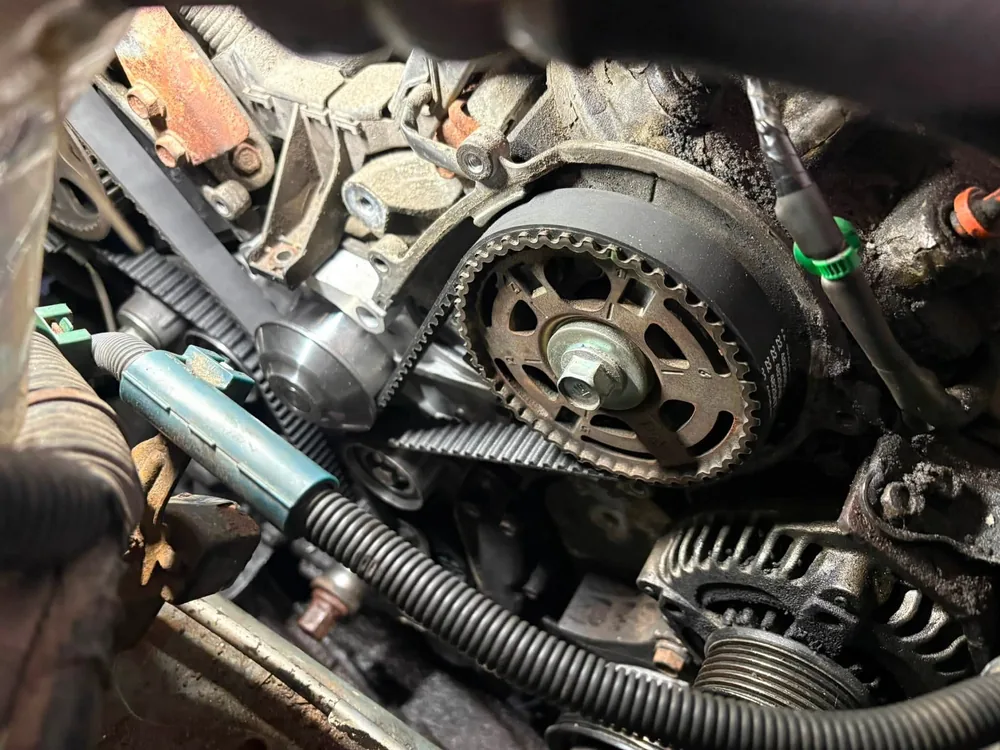
Diagnosis is charged for the time it takes to find the actual fault, which is a different thing from reading a code. AutoNorth tells you what it charges to diagnose before the vehicle comes in, and the repair gets quoted separately once there is something real to quote.
- Reading a code takes seconds. Finding the fault does not. A code points at a circuit or a symptom, not at a broken part. The work is in narrowing it down.
- How buried the fault is. A failed sensor sitting on top of the engine and an intermittent wiring fault inside a loom are not the same afternoon.
- Whether it is intermittent. A light that comes on once a fortnight is genuinely harder to catch than one that is on every time you turn the key.
- How many codes are stored. Several codes at once usually share one root cause, and sorting the cause from the consequences is the job.
Call AutoNorth at (705) 472-6060 with your year, make and model and what the vehicle is actually doing. You get the diagnostic price up front, not after.
What Is Your Check Engine Light Actually Telling You?
That the engine management system has seen a reading outside what it expects and stored a code about it. It is a pointer to a symptom, not a diagnosis, and it can mean anything from a loose fuel cap to a failing catalytic converter.
- Steady light. Something is wrong and has been logged. It is not usually a stop-the-car emergency, but it does not clear itself either, and ignoring it for months tends to make the eventual bill worse rather than better.
- Flashing light. Treat this one as urgent. A flashing check engine light generally signals a misfire serious enough to damage the catalytic converter, and continuing to drive on it can turn a spark plug job into an exhaust job.
- The light goes out on its own. The fault has stopped meeting the trigger condition, not stopped existing. The code is usually still stored and readable.
- More than one thing at once. Modern engines log a lot. Several codes commonly trace back to one failure, which is exactly what a proper diagnosis separates out.
What Usually Sets a Check Engine Light Off?
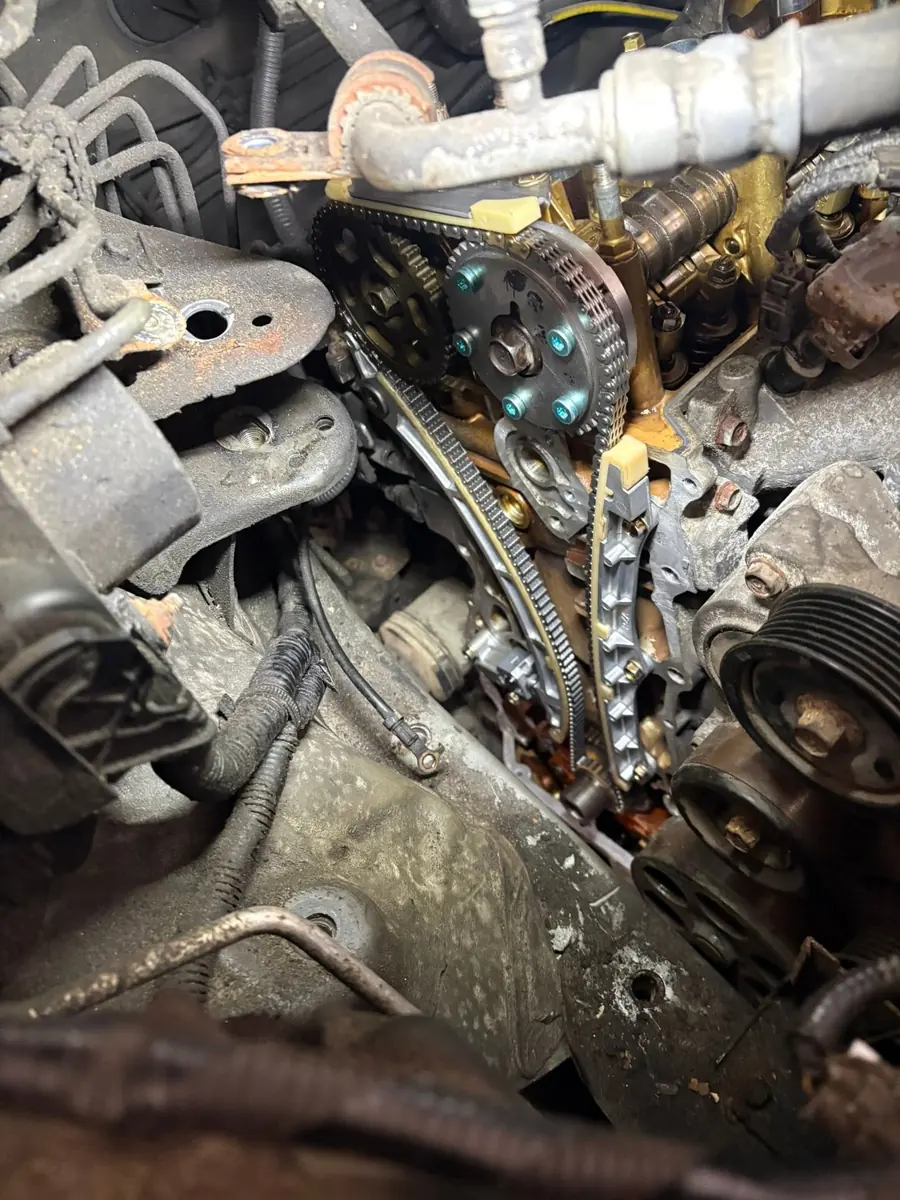
Oxygen sensors, ignition faults, evaporative emissions leaks, mass airflow sensors and catalytic converters between them account for a very large share of stored codes. Which one you have is a question for the diagnosis, not the internet.
- Oxygen sensors. They wear out on a schedule nobody watches, and a lazy one throws fuel trim out without any symptom you would notice from the driver's seat.
- Ignition faults. Coils and plugs. Often felt as a rough idle or a stumble under load before the light ever comes on.
- Evaporative emissions leaks. The famous loose fuel cap lives here, and so do cracked hoses and failed purge valves that cost rather more than a cap.
- Mass airflow and intake faults. A dirty sensor or an air leak downstream of it will make the engine run badly and log a code that points somewhere else.
- Catalytic converters. Frequently the consequence of an ignition or fuel fault nobody fixed, which is the strongest argument there is for not driving on a light for a year.
AutoNorth services gas, diesel and hybrid vehicles, so the diagnosis does not stop at the make.
Free Code Read vs a Proper Diagnosis
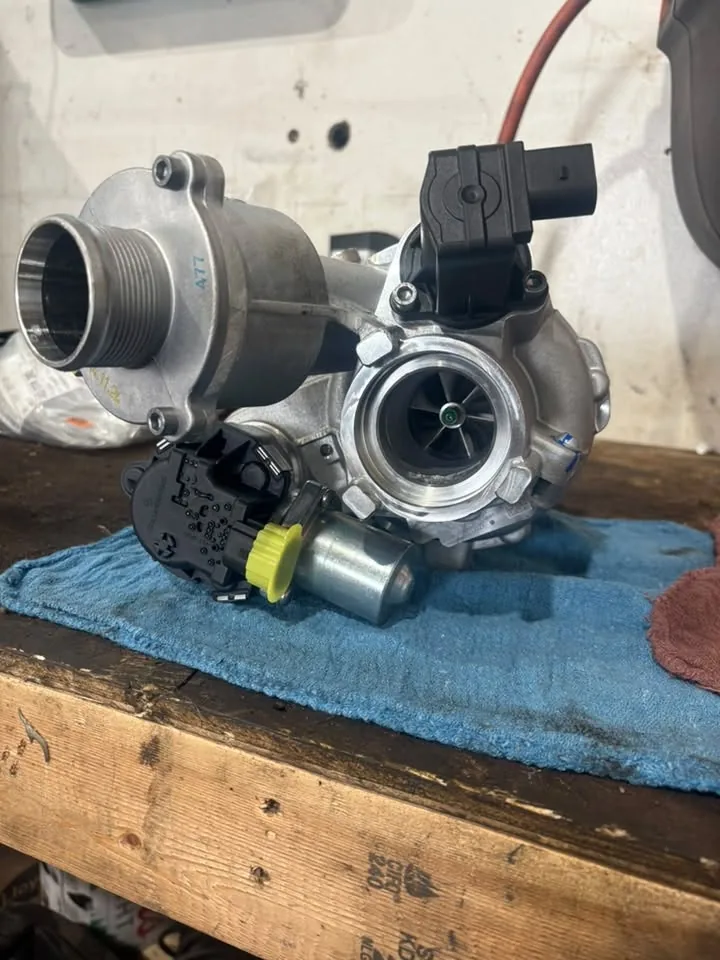
A parts counter can read the code off your vehicle in a minute and hand you a part number. That is a guess with a receipt attached. A diagnosis works out which of the things that code could mean is actually happening on your vehicle.
| Code read vs diagnosis | Free code read | Proper diagnosis |
|---|---|---|
| What you get | The stored code, and often a suggested part | The cause of the code, tested rather than assumed |
| Time it takes | A minute at a counter | Time on a hoist with the right equipment |
| What it costs | Nothing up front | A diagnostic charge, quoted before you book |
| Risk | Replacing a good part because a code pointed near it, then still having the fault | Paying to find out the fault was small |
| What happens next | You buy a part and hope | You get a quote for the actual repair and decide |
| Best for | Confirming a light is stored at all | Anyone who would rather fix it once |
The expensive version of a check engine light is the one where three parts get replaced before the right one does. Paying for the diagnosis is usually the cheaper path, which is an awkward thing for a shop to say and true anyway.
How AutoNorth Handles a Check Engine Light
The codes get scanned, the fault gets traced to a cause, and you see the evidence before you approve a repair. AutoNorth's digital inspection sends photos and video of what was found straight to your phone.
- The code is the starting point, not the answer. The fault gets traced to its actual cause before anything is quoted, rather than replacing whichever part the code happens to name.
- You know the cost of looking before you book. AutoNorth tells you what it charges to diagnose up front, and the repair is quoted separately once there is something real to price.
- You see it before you pay for it. Findings come to you by text and email with photos and video, grouped by priority, and you approve or decline each item from your phone or computer.
- Nobody is paid to find work. AutoNorth's technicians are on straight time rather than flat rate, so there is no financial reason to turn one fault into three.
- One shop for whatever it turns out to be. Ignition, fuel, exhaust, cooling, electrical or an engine repair, it all happens at Cholette St.
If a warning light is on and you have been ignoring it, the honest advice is that it very rarely gets cheaper. See the digital inspection reports page for exactly what lands on your phone.
What About the Other Warning Lights?
The check engine light gets the attention, but it is not the only system that logs faults. ABS, traction control, airbag, tire pressure and charging system lights all store codes, and all of them get diagnosed at AutoNorth.
- ABS and traction control. Usually a wheel speed sensor or its wiring, and in this climate frequently corrosion at a connector rather than a failed part. The brakes still work with the light on, but the anti-lock function may not, which is exactly what you want on an icy morning.
- Airbag light. Worth taking seriously. It generally means the restraint system has found a fault and may not deploy as designed, and an illuminated airbag light is normally treated as a safety inspection failure. Ask AutoNorth if you are heading for a certificate.
- Tire pressure monitoring. Often just cold weather dropping pressures, which is normal here every autumn. Sometimes a dead sensor battery, which is not.
- Charging system. The battery-shaped light is about charging, not about the battery being flat. Ignoring it tends to end with a vehicle that will not start somewhere inconvenient.
- Oil pressure and temperature. These two are different. If either comes on, stop the vehicle rather than driving it to the shop, and call.
Tell AutoNorth which light is on and what the vehicle is doing when you call. Both halves of that matter.
Check Engine & Diagnostics: Common Questions
Can I keep driving with the check engine light on?
If the light is steady and the vehicle drives normally, usually yes, at least as far as getting it looked at. If the light is flashing, stop driving it further than you have to, because a flashing light generally means a misfire bad enough to damage the catalytic converter.
Why does the light come back after I cleared it?
Because clearing a code deletes the record, not the fault. The moment the condition happens again the system logs it again. The only thing clearing a code reliably does is destroy the freeze frame data that would have helped diagnose it.
Is a free code read at a parts store good enough?
It tells you a code is stored, which is worth knowing. It does not tell you which of the several things that code can mean is actually wrong with your vehicle. Codes point at a circuit or a symptom, and the part they seem to name is often the one reporting the problem rather than causing it.
Can a loose gas cap really turn the light on?
Yes. The evaporative emissions system checks itself for leaks, and a cap that is not sealing is a leak. It is worth checking yours before booking anything. If the light stays on after a few drives with the cap properly tightened, it is something else.
Does AutoNorth diagnose warning lights other than the check engine light?
Yes. ABS, traction control, airbag, tire pressure and charging system lights all get diagnosed at 1520 Cholette St. Call (705) 472-6060 and describe what the vehicle is doing along with which light is on.
Warning Light On? Find Out What It Actually Is.
Call AutoNorth with your year, make and model and what the vehicle is doing, and the shop will tell you what it charges to diagnose it.