Winter Tires in North Bay
AutoNorth Auto Repair is a North Bay shop that supplies, fits and stores winter tires at 1520 Cholette St, on your existing rims or on a dedicated second set. Winter tires are the single biggest difference between a winter you barely think about and one you dread, and this page explains what actually separates one from an all-season, how both compare to an all-weather tire, and when the swap should happen. AutoNorth will also tell you honestly which of the three suits the driving you really do, rather than selling you whatever is stacked highest.
Last updated August 7, 2026
What Makes a Winter Tire Different?
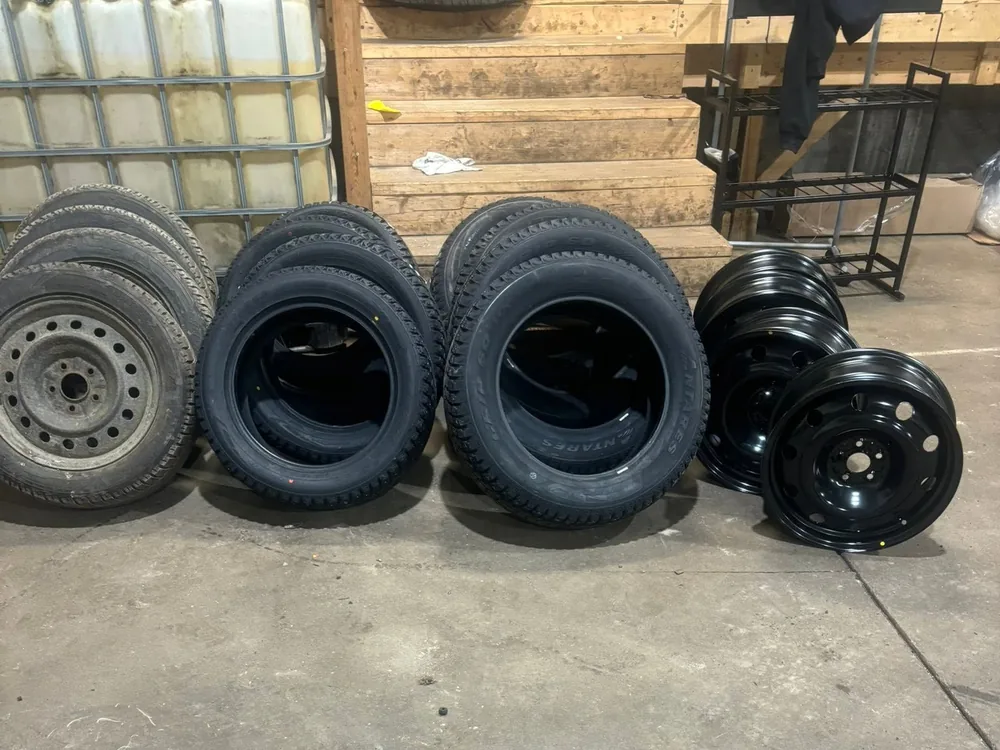
A winter tire is built from a softer rubber compound that stays flexible in the cold, and its tread is cut with thousands of fine slits that bite into snow and grip ice. An all-season tire hardens as the temperature drops, and a hard tire cannot grip whatever it is sitting on.
- The compound is the real difference. Winter rubber is formulated to stay pliable below roughly 7 degrees Celsius. All-season compounds begin to stiffen around there, well before the first snow falls.
- Siping does the gripping. Those fine slits across the tread open as the tire rolls and grab at snow and ice. Look closely at a winter tire and you can see them.
- The tread clears itself. Deeper, more open blocks push slush and snow out instead of packing solid and turning the tire into a slick.
- It is about stopping, not going. All-wheel drive helps you pull away. It does very little for you at the point where you need to stop, and that is where winter tires earn their money.
Winter vs All-Season vs All-Weather Tires
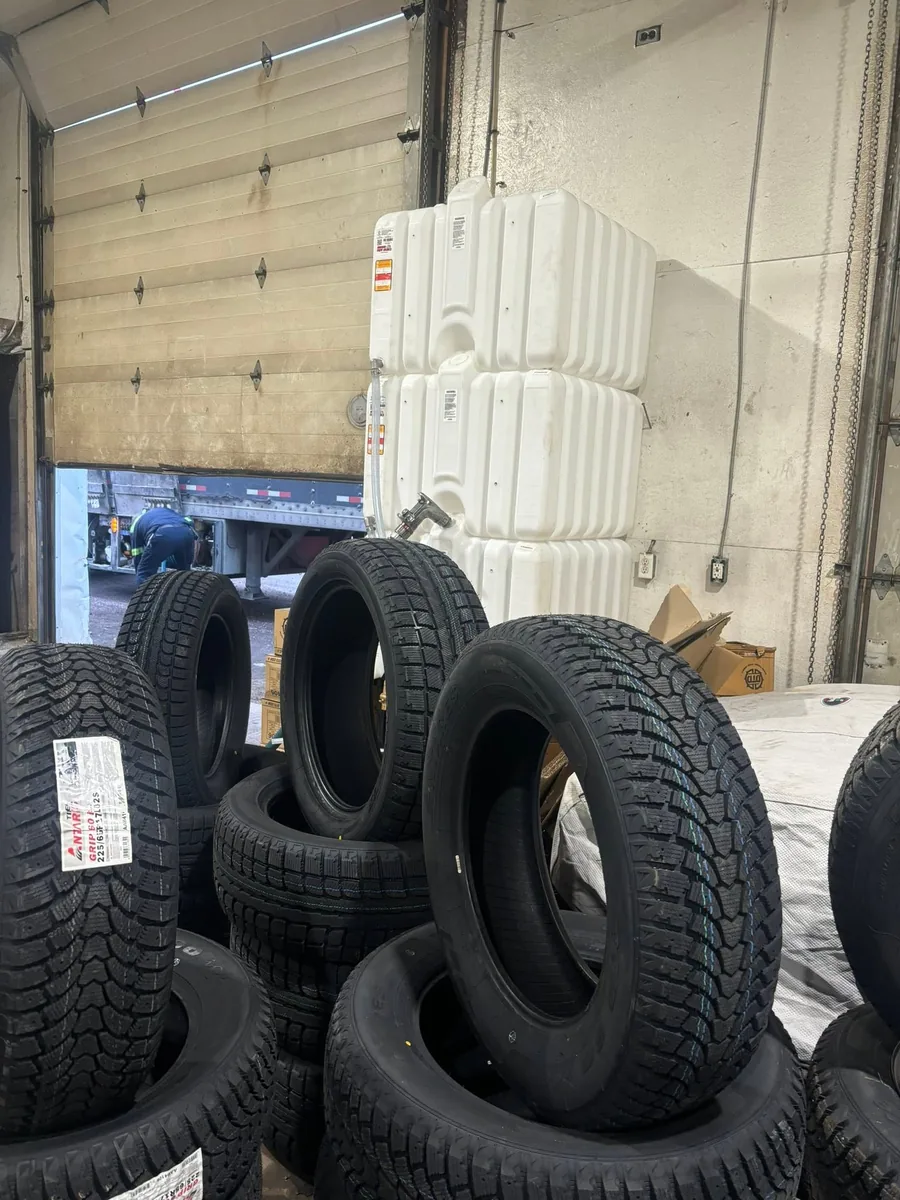
All three are different products, and the middle one is the one people get wrong. An all-season tire is a three-season tire in a climate like North Bay's. An all-weather tire is a genuine year-round compromise. A winter tire beats both once it is properly cold.
| Winter vs all-season vs all-weather | Winter | All-season | All-weather |
|---|---|---|---|
| Below about 7 degrees | Designed for it, compound stays soft | Compound stiffens and grip drops off | Holds up reasonably, not as well as a winter tire |
| Deep snow and ice | Best by a wide margin | Poor | Adequate for lighter conditions |
| Summer heat | Wears quickly and feels vague | Best | Fine, wears faster than an all-season |
| Mountain and snowflake symbol | Yes | No | Yes |
| Sets you need to own | Two, winter and summer | One, but you are compromising all winter | One |
| Best for | Anyone driving a North Bay winter properly | Drivers who store the vehicle for winter | Low-mileage drivers who will not run two sets |
Only winter and all-weather tires carry the three-peak mountain and snowflake symbol on the sidewall. An all-season tire with M+S stamped on it does not qualify as a winter tire, and that single detail catches out more drivers than anything else on this page. Ask AutoNorth to show you the symbol on whatever you are considering.
When Should Winter Tires Go On in North Bay?
Go by temperature, not by snow. Once daily highs are sitting consistently around 7 degrees Celsius, the winter set is already the better tire, and in North Bay that is usually well before the first real snowfall.
- Waiting for snow means waiting too long. The first slippery morning is usually frost or black ice on a clear road, not a snowstorm.
- Book ahead of the temperature, not after it. Every shop in town fills up in the same fortnight, and the drivers who called in October are the ones holding the good appointment times.
- Take them off in spring. Winter rubber wears quickly once the roads warm up. Leaving them on through summer burns an expensive set for no benefit.
- Check your insurer's dates. If you are claiming a winter tire discount, your insurer sets the window it applies to, and it may not match the weather.
- Expect the pressure light. Tire pressure falls as the air gets colder, roughly one psi for every five degrees Celsius lost, so the first hard frost sets off warning lights all over town. It usually means the tires need air, not that anything is broken. AutoNorth sets them properly at the changeover.
Do Winter Tires Get You an Insurance Discount in Ontario?
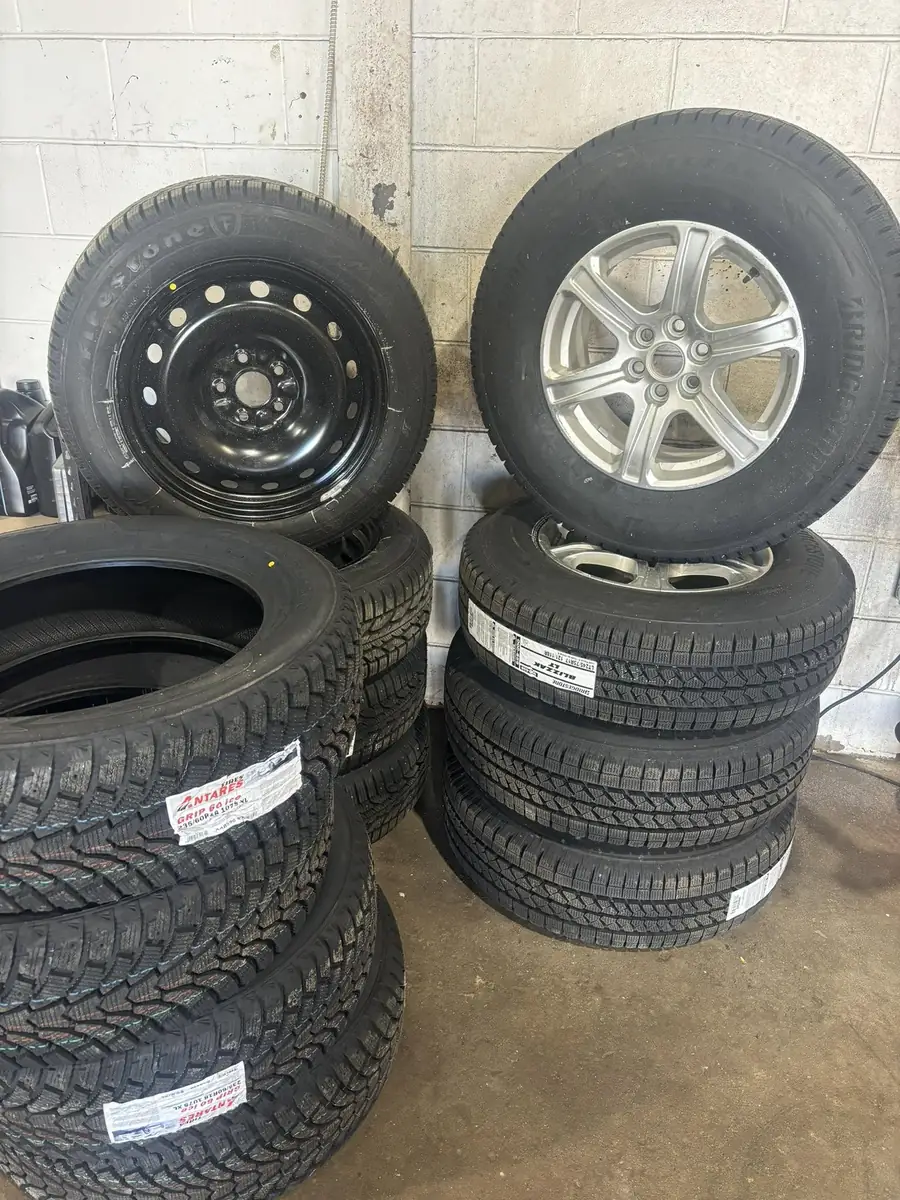
Ontario drivers may be able to get a discount on their car insurance for running four winter tires. The province's own winter driving guidance tells drivers to ask their insurance provider, because the size of the discount and the dates it applies to are set by the insurer rather than by the province.
- It is four tires or nothing. Insurers that offer the discount want a full set. Two winter tires on the drive axle does not qualify, and it handles badly besides.
- Ask before you buy, not after. Your insurer can tell you what it needs, whether that is an invoice, a photo, or a declaration.
- Keep the receipt. AutoNorth's invoice lists what was fitted and when, which is usually all the paperwork anyone asks for.
- The discount is not the reason. It softens the cost of the set. Being able to stop is the reason.
Winter tires are not legally required in Ontario the way they are in Quebec. Nobody is going to ticket you for running all-seasons in February on a North Bay road. Whether that is a risk worth taking on Highway 11 in a freezing-rain morning is a different question.
Studded or Studless Winter Tires?
Studded tires grip glare ice better than anything else. Studless winter tires are quieter, better on cold bare pavement, and better on slush, which is what most of a North Bay winter actually consists of.
- Studs win on one surface. Polished ice, the kind you get on a packed side road or a boat launch. On that surface nothing else comes close.
- Studless wins on the rest. Modern studless winter compounds are very good, and most winter driving here is cold pavement and slush rather than sheet ice.
- Studs are loud. If most of your driving is highway kilometres, you will hear them the whole way.
- Ontario restricts them. Studded tires are permitted for residents of Northern Ontario, which includes the Nipissing district and so includes North Bay, between September 1 and May 31. The rules are different south of that boundary. Ask AutoNorth to confirm before you commit to a studded set.
AutoNorth has been fitting winter tires from the Cholette St shop since 2025 and will give you a straight recommendation for the roads you actually drive, rather than for whichever set is sitting on the shelf. For mounting, balancing, puncture repair and seasonal storage, see the full AutoNorth tire shop page.
Winter Tires: Common Questions
Are winter tires required by law in Ontario?
No. Ontario does not require winter tires the way Quebec does. Insurers can offer a discount for running a full set, and the province's winter driving guidance tells drivers to ask their own insurance provider about it.
Do I need four winter tires or will two do?
Four. Two winter tires on one axle and all-seasons on the other gives the car two very different levels of grip at the two ends, which is how a vehicle ends up spinning. Insurers offering a winter tire discount also want a full set.
What is the difference between winter tires and all-weather tires?
Both carry the three-peak mountain and snowflake symbol, so both are rated for severe snow. An all-weather tire is a year-round compromise that saves you owning two sets. A winter tire is better once it is properly cold, and worse in summer heat. Which one suits depends on how much you drive and in what.
Can I leave winter tires on all year?
You can, but it is expensive. Winter rubber is soft by design and wears quickly on warm pavement, so a set that would last several winters gets used up in a couple of years. Handling and braking in summer heat get worse too.
How do I know a tire is actually a winter tire?
Look on the sidewall for the three-peak mountain and snowflake symbol. M+S on its own is not the same thing and does not make an all-season tire a winter tire. Ask AutoNorth to point out the symbol on any set you are considering.
Book the Winter Set Before the Temperature Turns
Call AutoNorth with your vehicle and tire size. The shop will quote a winter set on your own rims and on a second set, so you can see both numbers before you decide.